








Fucoxanthin 10%
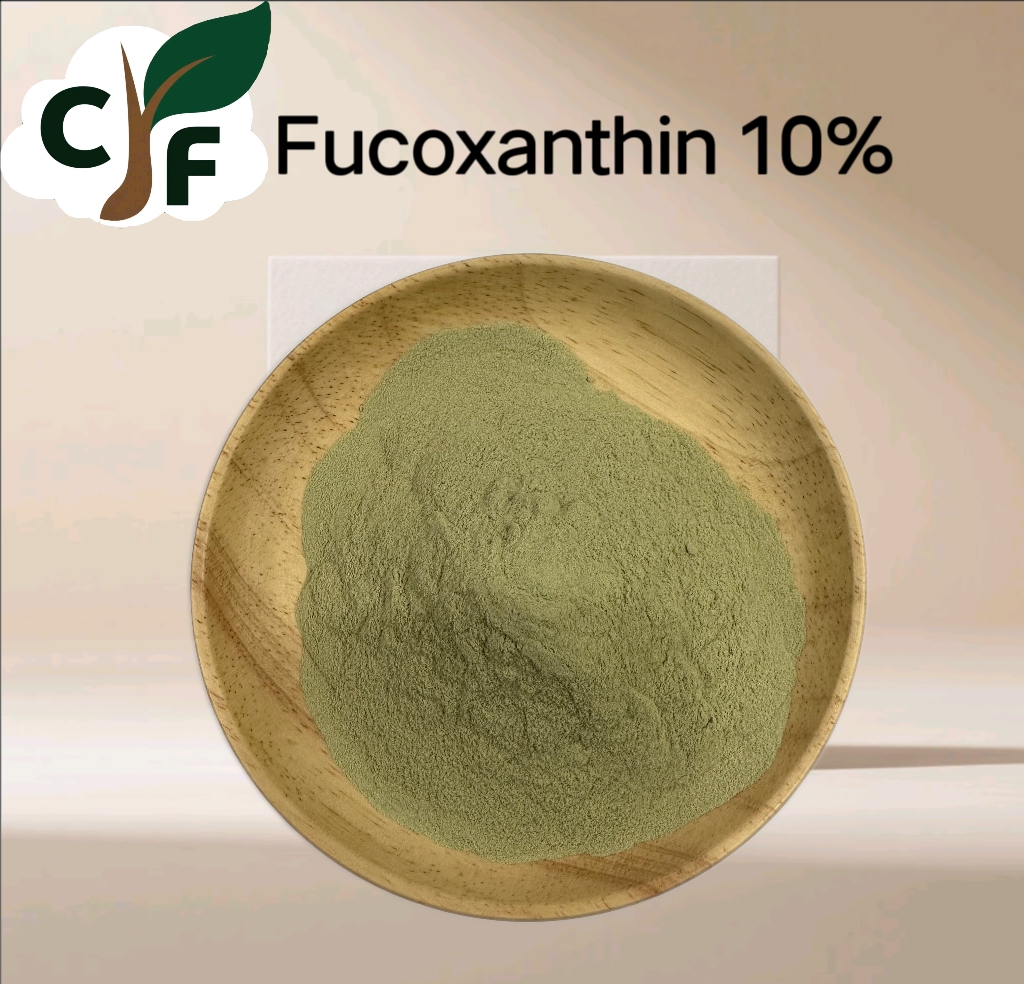
Fucoxanthin 10%
Alternative Names: Fucoxanthin (also known as Phaeophycean xanthin, Fucoxanthine)
Main Component: Fucoxanthin, an orange-yellow carotenoid belonging to the xanthophyll class.
Extraction Source: Primarily derived from brown algae such as kelp, wakame, and sargassum fusiforme, as well as algae like diatoms, golden algae, and yellow-green algae. It is also partially sourced from marine phytoplankton and aquatic shellfish. In actual production, common extraction raw materials include the fronds of kelp and the thalli of Sargassum pallidum (a species of the Sargassaceae family).
Particle Size: 98% passes through an 80-mesh sieve.
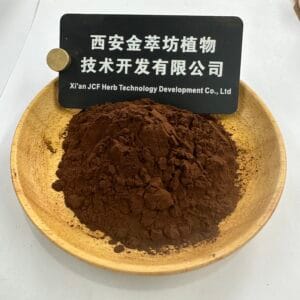
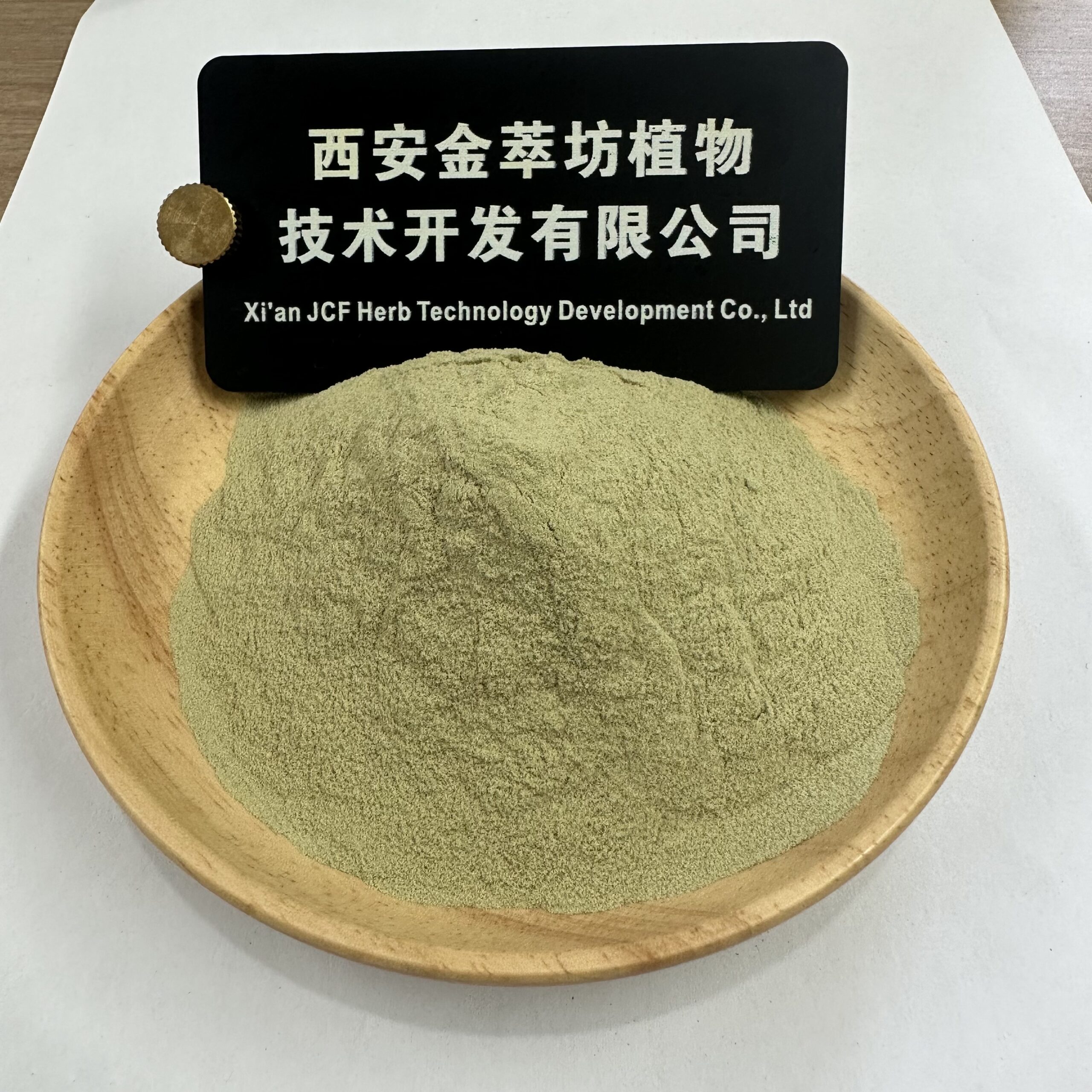
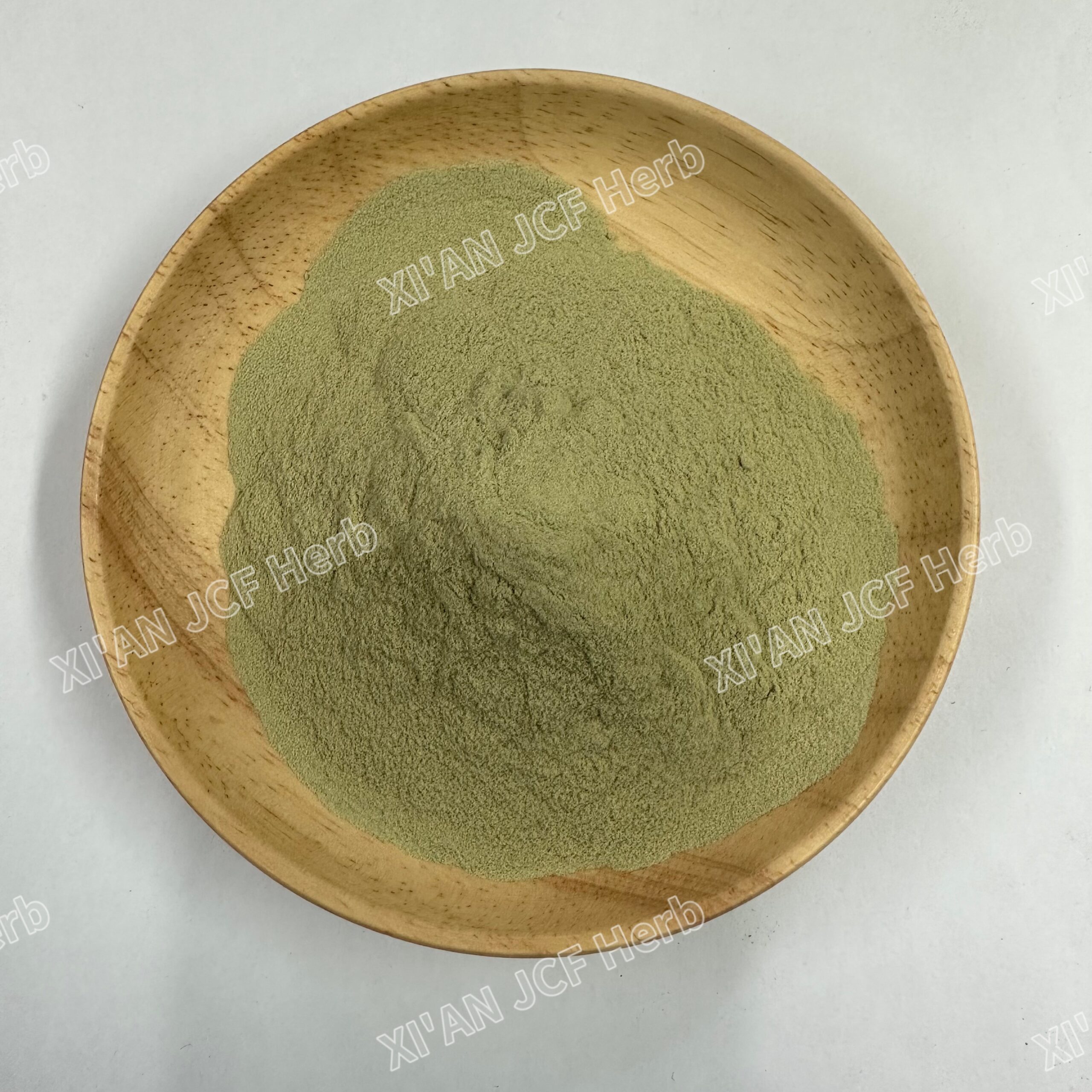
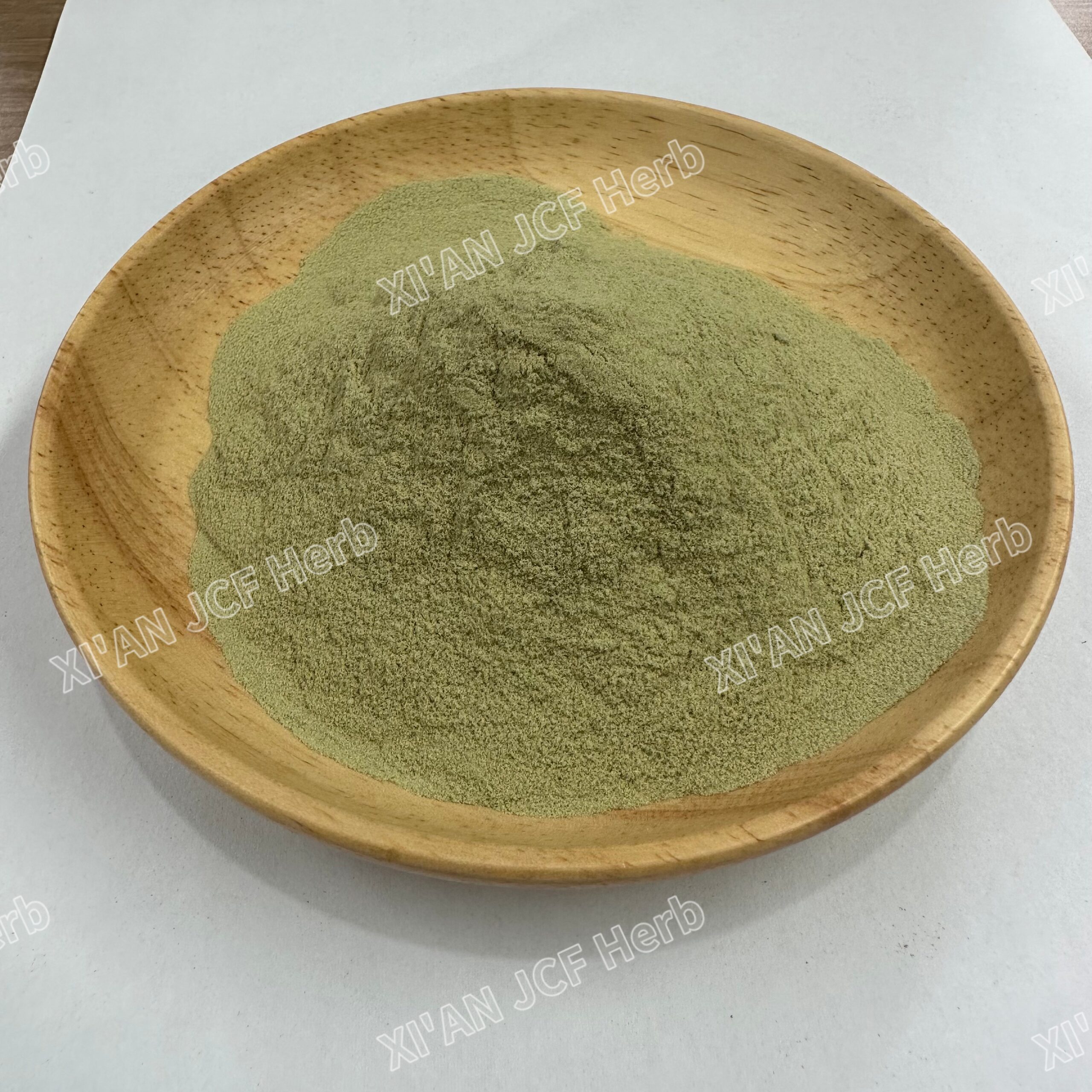
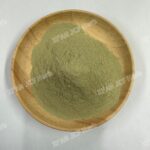
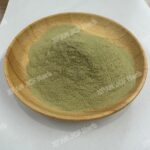
Appearance: Brown powder.
Testing Method: TLC (Thin Layer Chromatography).
Application Dosage Forms: Wide range of applications.
Supply Time: Available year-round.
Purchase Instructions
If you need this English product information formatted into a standard product specification document (with clearer section divisions and professional terminology optimization), let me know and I can organize it for you.
375
Items 上次售出 6 小时
27
现在正在观看该产品的人数!
Description
| Item | Description |
|---|---|
| Product Name | Fucoxanthin 10% |
| Synonyms | Fucoxanthin; Brown Algae Pigment; Fucoxanthine |
| Main Component | Fucoxanthin, an orange-yellow carotenoid belonging to the xanthophyll class. |
| Extraction Source | Mainly derived from brown algae such as kelp, wakame, and Sargassum fusiforme, as well as algae like diatoms, chrysophytes, and yellow-green algae. It is also partially sourced from marine phytoplankton and aquatic shellfish. In actual production, common raw materials include kelp fronds and Sargassum pallidum thalli (from the Sargassaceae family). |
| Particle Size | 98% through 80-mesh sieve |
| Appearance | Brown Powder |
| Detection Method | TLC (Thin Layer Chromatography) |
| Application Dosage Forms | Wide range of applications |
| Supply Time | Available throughout the year |
| Storage Conditions | Store in a sealed container, in a cool, dry, and light-proof place, away from heat sources and humid environments. |
| Shelf Life | Two years |